
Can I Have Laser Eye Surgery While Pregnant or Breast Feeding?
Can pregnancy change your eyesight in ways you did not expect? And if you are breastfeeding, how do you know when your vision is truly ready for laser eye surgery?
I’m Dr Erica Darian-Smith, Owner and Principal Ophthalmologist at Eagle Eye Surgeons in Sydney. I spend a large part of my clinical work helping women understand how pregnancy, breastfeeding, and hormonal shifts affect their eyes. These changes are common, often temporary, and very easy to misread without proper testing. That is where experience matters.
Many women assume laser eye surgery is a simple timing decision. In reality, pregnancy and breastfeeding can quietly shift corneal shape, and tear quality, which directly affects surgical accuracy and recovery.
Key Takeaways
- Pregnancy hormones can temporarily change vision and corneal shape
- Laser eye surgery requires a stable prescription measured over time
- Breastfeeding hormones can delay visual stability after childbirth
- Laser eye surgery timing should be based on repeat eye test results
Can Pregnancy Change Your Vision?
What happens to your eyesight when your body is busy growing another human?
During pregnancy, hormone levels shift fast and wide. Oestrogen and progesterone affect how your body holds fluid, and that includes the eyes. The cornea can thicken or change shape slightly, which alters how light enters the eye. Even small changes here can blur vision or make glasses feel “off” for a while.
Many women notice vision fluctuations during pregnancy. Distance vision can soften. Near work may feel harder. Contact lenses can suddenly feel uncomfortable. Dryness is also common, which adds another layer of irritation and blur. These changes can come and go, sometimes week to week.
The reassuring part is that pregnancy-related vision changes are usually temporary. Once hormone levels settle after pregnancy, the cornea often returns to its previous shape. Prescriptions that shifted during pregnancy frequently drift back to baseline.

Why Is Laser Eye Surgery Not Recommended While Pregnant?
We avoid laser eye surgery during pregnancy because too many variables are in motion. Even when vision feels acceptable, internal changes can quietly affect measurements, healing, and final results. It’s better if we wait, to protect accuracy and long-term safety.
- Hormonal shifts cause unstable measurements. Laser eye surgery depends on extremely precise measurements of prescription and corneal shape. During pregnancy, hormonal effects on eyesight and fluid balance can cause these values to fluctuate without obvious symptoms. Even small shifts reduce laser accuracy and increase the risk of an unsatisfactory outcome.
- Corneal and tissue responses are less predictable. Pregnancy can alter corneal thickness and how eye tissue responds to treatment. These changes are usually temporary, but they make it harder to predict how the cornea will respond to laser correction. Precision matters, and unpredictability works against it.
- Healing and inflammation vary during pregnancy. Pregnancy affects how the body repairs tissue and manages inflammation. While laser eye surgery is safe in appropriate settings, recovery during pregnancy can be harder to anticipate. This adds unnecessary uncertainty to an elective procedure.
Because of the changes that happen in the body during pregnancy, we cannot perform laser eye surgery at that time — so pregnancy is a definite medical reason to postpone refractive surgery.
Does Breastfeeding Also Affect Laser Eye Surgery Results?
Breastfeeding can still influence laser eye surgery results, although the picture is less clear than during pregnancy. Hormonal effects on eyesight do not stop at birth. Prolactin levels remain elevated while breastfeeding, and this can continue to affect corneal shape and tear production. For some women, vision feels fine day to day but remains subtly unstable on testing.
Dryness is another common issue. Breastfeeding and eye health are closely linked through hormonal changes that reduce tear quality. This can cause fluctuating focus. A dry or unstable ocular surface can distort pre-surgery measurements and slow recovery, which directly affects outcomes.
From a safety and accuracy perspective, laser eye surgery is never performed during pregnancy. After childbirth, I generally advise waiting at least 90 days and confirming that your prescription has stabilised to the same or very close to what it was before pregnancy. While opinions vary, surgery is usually safer once breastfeeding has stopped and hormones have settled.

What Tests Are Needed Before Proceeding With Laser Eye Surgery?
Before proceeding with laser eye surgery, we need clear evidence that your eyes are ready. This decision is based on repeat testing, not assumptions. Each assessment checks a different aspect of stability, safety, and healing potential to protect your long-term result.
- Prescription stability through refraction testing. Refraction testing confirms whether your vision has stopped changing. We repeat these measurements across visits to ensure the numbers remain consistent. A single stable result is not enough because fluctuating prescriptions reduce surgical accuracy.
- Corneal shape and thickness assessment. Corneal mapping and thickness scans show the structure and strength of the cornea. Hormonal changes from pregnancy or breastfeeding can subtly alter corneal shape. These measurements guide treatment choice and confirm that surgery can be performed safely.
- Tear film and ocular surface evaluation. Dry eye is common after pregnancy and during breastfeeding. An unstable tear film can distort measurements and slow recovery after surgery. Identifying and treating dryness beforehand improves both comfort and surgical outcomes.
- Overall eye health review. We also assess the health of the entire eye to confirm suitability. This step rules out conditions that would exclude refractive surgery or require alternative approaches.
What Are The Best Temporary Vision Correction Strategies During Pregnancy and Breastfeeding?
While waiting for laser eye surgery, the priority is staying comfortable and seeing clearly as your vision fluctuates. Temporary strategies can reduce strain, manage dryness, and help you function day to day while hormonal changes settle.
- Using glasses for flexible vision correction. Glasses are often the easiest and most reliable option during pregnancy and breastfeeding. If your prescription shifts, updating your lenses can reduce eye strain, headaches, and visual fatigue. Even small changes can improve comfort for screen use, reading, and night driving.
- Adjusting contact lens wear if tolerated. Contact lenses can still work, but tolerance often changes due to dryness or subtle corneal shape shifts. Vision may blur later in the day, or lenses may feel uncomfortable sooner than expected. Shorter wear times, daily disposable lenses, or taking regular breaks can help. If lenses stop feeling right, pausing them is sensible.
- Managing dryness and visual comfort conservatively. Dry eye is common during pregnancy and breastfeeding. Lubricating eye drops, good hydration, and reducing exposure to air conditioning can improve comfort and visual clarity. These measures also help protect the ocular surface while your eyes stabilise.
Final Thoughts
Pregnancy and breastfeeding often bring short-term vision changes. These shifts usually settle, but timing laser eye surgery too early can compromise results. Waiting for stable measurements, healthy tear film, and consistent testing protects your long-term outcome.
If you are thinking about laser eye surgery and are pregnant, breastfeeding, or recently postpartum, the safest next step is a personalised assessment. A consultation allows us to check stability, explain your options, and map out the right timing for you.
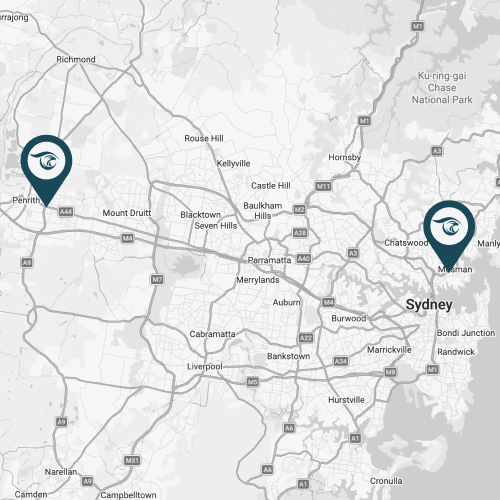
We have two convenient locations in Sydney. Our Mosman clinic on the Lower North Shore offers ground floor access, on-site parking, and excellent public transport links. Our Nepean clinic offers two hours of free on-site parking and easy access opposite Nepean Hospital. You can call us on (02) 7228 3900 (MOSMAN) or (02) 7228 3556 (NEPEAN) or arrange an appointment online through this website.
Find out if you are suitable for vision correction
Vision correction isn’t suitable for everyone.
The first step is to book a free appointment to find out whether you can benefit.