Reduce your reliance on reading glasses with Presbyond in Sydney

As the first practice in Sydney to offer Presbyond on the Mel90 laser platform, we built the service around detailed testing, clear guidance, and a calm, supportive patient experience

Reduce your reliance on reading glasses with Presbyond in Sydney

As the first practice in Sydney to offer Presbyond on the Mel90 laser platform, we built the service around detailed testing, clear guidance, and a calm, supportive patient experience

Dr Erica Darian-Smith explains the Presbyond patient experience

A clear, step-by-step look at the appointment, the day of treatment, and the follow-up care, with safety and comfort kept front of mind

Feel more at ease with near vision, with less of the reading-glasses shuffle

Many patients describe a real shift from daily frustration and effort to more ease, confidence, and convenience in everyday life

Less strain. Less fuss. More comfort1https://pmc.ncbi.nlm.nih.gov/articles/PMC10882568/

When you rely on reading glasses, the day can feel like a cycle of swapping pairs, cleaning lenses, and dealing with blur and eye strain. Some people also notice dryness or a gritty feeling, especially with contact lenses. After treatment, many patients report less visual strain and less day-to-day hassle, which may make close work and screens feel easier2https://pmc.ncbi.nlm.nih.gov/articles/PMC10882568/. Recovery and follow-ups help support comfort along the way.

Relief from the “I’m over this” feeling

Many people feel fed up, stressed, and self-conscious about needing reading glasses for simple things. They worry about clarity, safety, and whether they are making the right choice. After treatment, some patients describe feeling lighter, more confident, and more like themselves again. They often say the biggest shift is not just vision, but the relief of not thinking about glasses all day. Results vary by person.

A smoother day from morning to night

A great day may start with less reaching for glasses on the bedside table. It can mean checking your phone, reading labels, and getting out the door with fewer interruptions and less swapping between pairs. Work can feel simpler when you move between screens and people with less interruption. Dinner out can feel easier when menus are not a stress point.

More confident. More in control

Before treatment, others may notice the constant swapping, the squinting, or the “hang on, I need my glasses” moments. After treatment, many patients say they feel more confident and more present, with fewer interruptions from glasses in daily life. Some also feel more confident and more put-together in social settings3https://pmc.ncbi.nlm.nih.gov/articles/PMC10882568/. What changes most is the ease they feel day to day.

Feel more at ease with near vision, with less of the reading-glasses shuffle

Many patients describe a real shift from daily frustration and effort to more ease, confidence, and convenience in everyday life

Less strain. Less fuss. More comfort4 https://pmc.ncbi.nlm.nih.gov/articles/PMC10882568/.

When you rely on reading glasses, the day can feel like a cycle of swapping pairs, cleaning lenses, and dealing with blur and eye strain. Some people also notice dryness or a gritty feeling, especially with contact lenses. After treatment, many patients report less visual strain and less day-to-day hassle, which may make close work and screens feel easier5 https://pmc.ncbi.nlm.nih.gov/articles/PMC10882568/. Recovery and follow-ups help support comfort along the way.

Relief from the “I’m over this” feeling

Many people feel fed up, stressed, and self-conscious about needing reading glasses for simple things. They worry about clarity, safety, and whether they are making the right choice. After treatment, some patients describe feeling lighter, more confident, and more like themselves again. They often say the biggest shift is not just vision, but the relief of not thinking about glasses all day. Results vary by person.

A smoother day from morning to night

A great day may start with less reaching for glasses on the bedside table. It can mean checking your phone, reading labels, and getting out the door with fewer interruptions and less swapping between pairs. Work can feel simpler when you move between screens and people with less interruption. Dinner out can feel easier when menus are not a stress point.

More confident. More in control

Before treatment, others may notice the constant swapping, the squinting, or the “hang on, I need my glasses” moments. After treatment, many patients say they feel more confident and more present, with fewer interruptions from glasses in daily life. Some also feel more confident and more put-together in social settings6 https://pmc.ncbi.nlm.nih.gov/articles/PMC10882568/. What changes most is the ease they feel day to day.

Reduce your reliance on reading glasses in 3 simple steps

Laser vision correction can be a great option for many people over 40. We make the journey clear, personal, and easy to understand


Step 1: Get in touch

The first step is to find out if vision correction may be suitable for your eyes and your goals. Book a free appointment or speak with our team to start your journey.

Step 2: We'll meet

At your appointment, we will explain your options and answer your questions. You will leave with a clear understanding of what may help and what the next steps look like.

Step 3: Everyday vision relief

For many patients, vision correction is a step toward more ease in daily life with less reliance on reading glasses. Tasks like checking a phone, reading a menu, or seeing the dashboard may feel easier, and our team will guide you through recovery and follow-up care.

Over 40 and tired of reading glasses? Find your vision correction options

Book a free appointment to learn which treatments may help with age-related near vision changes and what may be suitable for your eyes and lifestyle

With Presbyond, many patients can rely less on reading glasses for everyday near tasks7 https://pmc.ncbi.nlm.nih.gov/articles/PMC9522566/

Explore clear answers on how it works, who it may suit, and what to expect, including benefits, limits, and risks

People between 40 and 60 years old who need reading glasses are typically good candidates for PRESBYOND® laser blended vision.

Suitability depends on your prescription, corneal shape and thickness, tear film and dryness, and overall eye health. It also depends on your work and hobbies, like long screen time, night driving, or detailed close work.

A thorough assessment is essential, because not everyone is a good fit. If you have certain eye conditions, unstable prescription, or significant dryness, another option may be recommended.

Click here for more information on Presbyond suitability

PRESBYOND® is a LASIK based procedure. A small flap is raised with precision using a laser. The corneal surface is then reshaped using a separate laser, and the flap is replaced. The reshaping process allows the eye to focus light properly, resulting in improved near vision without the need for reading glasses. The entire procedure is performed under local anesthesia, ensuring that patients remain comfortable throughout the process.

The non-dominant eye is corrected to near vision, and the dominant eye is corrected for distance. This is similar to a traditional treatment called monovision. The difference is that PRESBYOND® incorporates an additional blended zone of vision into each eye, to improve the ability of the brain to adjust to the new visual balance. The result is that PRESBYOND® laser blended vision is tolerated by almost all patients (97%)8https://pubmed.ncbi.nlm.nih.gov/20205360/ , compared with monovision techniques which are tolerated by 59-67% of patients9 https://pubmed.ncbi.nlm.nih.gov/17718882/.

PRESBYOND® laser blended vision technique:

  • Corrects naturally occurring spherical aberrations of each eye.
  • Incorporates preoperative wave-front data to fine-tune the depth of field for each eye.
  • Generates a bespoke nomogram that records your eye parameters and optimizes target refraction.
  • Pupil size can also be accounted for by altering the optical zone size of treatment.
  • Reshapes the cornea to provide clear near, far and intermediate vision.
  • The monovision component can be pre-adjusted for the patient’s tolerance level.

Click here for more information about how Presbyond works

Some potential advantages are:

Presbyond can reduce reliance on reading glasses for many people and may make day-to-day tasks feel more convenient. It is laser-based and does not involve lens replacement. Many people like that it is tailored to lifestyle needs, including screen use and work demands10 https://pmc.ncbi.nlm.nih.gov/articles/PMC9522566/.

Some potential disadvantages are:

It is not suitable for everyone, and results vary. Some people may still need glasses for certain tasks, especially fine print or long reading. There can be an adjustment period as your brain adapts to blended vision, and some visual effects can occur.

All procedures have risks.

With Presbyond, possible risks can include;

Dry eye symptoms
Temporary dryness is common after laser eye surgery, but it typically resolves within a few weeks as the eyes adjust. Preservative free lubricating eye drops may be recommended to alleviate discomfort. Our surgeons are experts at helping to manage dry eyes during this period.

Glare or halos
Likely Outcome: Some patients may experience glare or halos, especially at night, in the initial postoperative period. This is often temporary and tends to diminish as the eyes continue to heal.

Under-correction or over-correction
Likely Outcome: While advancements in technology minimise the risk, there’s a slight chance (1-5%) of overcorrection or undercorrection. Further adjustments can be made if necessary, free of charge for up to 2 years following the initial procedure.

Visual Disturbances
Likely Outcome: Patients may experience minor visual disturbances initially, such as fluctuations in vision. These usually subside during the healing process.

Intolerance to PRESBYOND®
Likely Outcome: The vast majority of people adapt well however it may be necessary to perform an enhancement (6-10% of people) to ensure the best possible outcome.

A careful assessment helps reduce risk by checking your eye health, measuring accurately, and confirming whether this option is appropriate for you.

Alternatives depend on your eyes and your goals. Some people manage with reading glasses, updated prescriptions, or contact lens options. Others may be better suited to different laser approaches, or lens-based options such as refractive lens exchange. Your surgeon will explain what is suitable, what trade-offs exist, and what you can realistically expect. The right choice is the one that fits your eye health, your lifestyle, and your comfort with risk and recovery.

  • Step 1 – Before the procedure, you will undergo a comprehensive eye examination to assess your current vision and overall eye health. This examination will include measurements of the cornea and a discussion of the goals and expectations of treatment.
  • Step 2 – On the day of procedure you will be given a local anesthetic to ensure comfort throughout the process. The eye will be kept open using a speculum device to prevent blinking and allow the laser to work effectively.
  • Step 3 – The laser will create a small flap in the cornea, followed by the reshaping of the underlying tissue. The entire process typically takes only a few minutes per eye, and most people experience minimal discomfort.
  • Step 4 – After the procedure you may have some mild eye discomfort or a foreign body sensation. This is normal and we will prescribe eye drops to manage these temporary symptoms. It is important to follow all post-operative instructions provided by the eye care professional to ensure proper healing and optimal results.
  • Step 5 – Laser blended vision will give you glasses free vision for distance and reading. The time taken to adjust varies from person to person, but most people are able to return to normal activities glasses-free 24 to 48 hours after the procedure. It may take a few months to fully adjust to your new laser blended vision. At the one year mark 97% of patient have fully neuro-adapted. Our comprehensive preoperative testing ensures that you are a good candidate for the procedure.

PRESBYOND® research has recently included the study of a group of commercial and military pilots requiring aeromedical certification who underwent the treatment, published in the Journal of Refractive Surgery in 2023. Pilots are a unique professional group for whom excellent vision is critical. Binocular distance and near vision are both important for their work. All pilots treated with PRESBYOND® achieved 20/20 vision for distance at 12 months. Of these, 78% also achieved the near vision equivalent of 20/20 (J1)11 https://pubmed.ncbi.nlm.nih.gov/36630432/. Of the pilots who did not achieve J1 vision, 100% had J2 vision. This is good enough to read size 4 font, the equivalent of small-print legal disclaimers on a bank statement12 https://pubmed.ncbi.nlm.nih.gov/34709607/.

Click here for more information on the potential results.

Do reading glasses run your day?

If you are juggling pairs, losing them, or feeling eye strain, a simple next step is to explore options that may reduce your reliance on glasses


Always juggling multiple pairs of glasses?

You have pairs for reading, screens, and “just in case.” You feel fed up. You keep swapping them all day at work, at home, and when you are out. Booking a free appointment can help explore options which may reduce your reliance on multiple pairs, so you can stop guessing and start planning.

Over the constant hassle of losing, fogging, and cleaning your glasses?

Your glasses go missing. They fog up. Lenses get dirty. It always seems to happen when you are busy or out in public. It is frustrating and distracting. By booking an appointment we can confirm what is causing your blur up close, explain what is realistic for your eyes, and map out next steps that may reduce the day-to-day “glasses drama.”

Eyes feel tired and strained after screens and close-up work?

You push through emails, messages, and spreadsheets. Your eyes feel tired. Close work takes more effort than it used to. That can make long days feel even longer. At your free appointment, we can measure your vision properly, check your eye health, and talk through options that may improve comfort for close work, based on your lifestyle and priorities.

Proudly affiliated with respected professional organisations

We are proud to be members of recognised professional bodies that support high standards in eye care, training, and patient safety


Looking for options beyond reading glasses? Start with this 2-minute quiz

Our free self-test helps you explore which vision correction options may suit age-related reading vision changes, your goals, and your lifestyle

Get your questions answered about laser eye treatment in Sydney

Explore simple, expert-led blogs that explain your options, what to expect, and the everyday benefits people look for, so you can feel clear and confident about your next step

Academic resources on Presbyond

Explore peer-reviewed research and clinical evidence on laser blended vision from trusted sources, and note these links will take you off our website

Review of surgical presbyopia correction methods, comparing static approaches like multifocal IOLs, PresbyLASIK, and corneal inlays.
Summary of online resource

This review found that presbyopia significantly reduces quality of life worldwide and remains under-treated, particularly in developing regions where access to reading glasses is limited, while overall data on its broader public health impact are still scarce. Learn more here.

This retrospective study of 20 patients found that PRESBYOND laser-blended vision was safe and effective at one year, with most eyes maintaining or improving corrected distance vision and significant gains in uncorrected distance and near acuity. All patients were satisfied, though some reported mild night vision disturbances and slightly reduced near clarity. Read more.

Hi, I’m Dr. Erica Darian-Smith

I’m a FRANZCO ophthalmic surgeon focused on refractive surgery. I trained in Sydney at Prince of Wales Hospital, then completed a two-year corneal and refractive fellowship in Toronto, Canada. I also hold a Graduate Diploma in Cataract and Refractive Surgery and a Master of Medicine in Ophthalmic Sciences from the University of Sydney, and I lecture there as a Clinical Lecturer. I am a Fellow of the World College of Refractive Surgery and Vision Sciences and have a subspecialty interest in treating presbyopia.

I take time to listen, explain options clearly, and guide you through each step so you can make informed choices with confidence and calm. I am passionate about getting you your best visual outcomes.

Owner
FRANZCO, FWCRS, MMed, MBBS
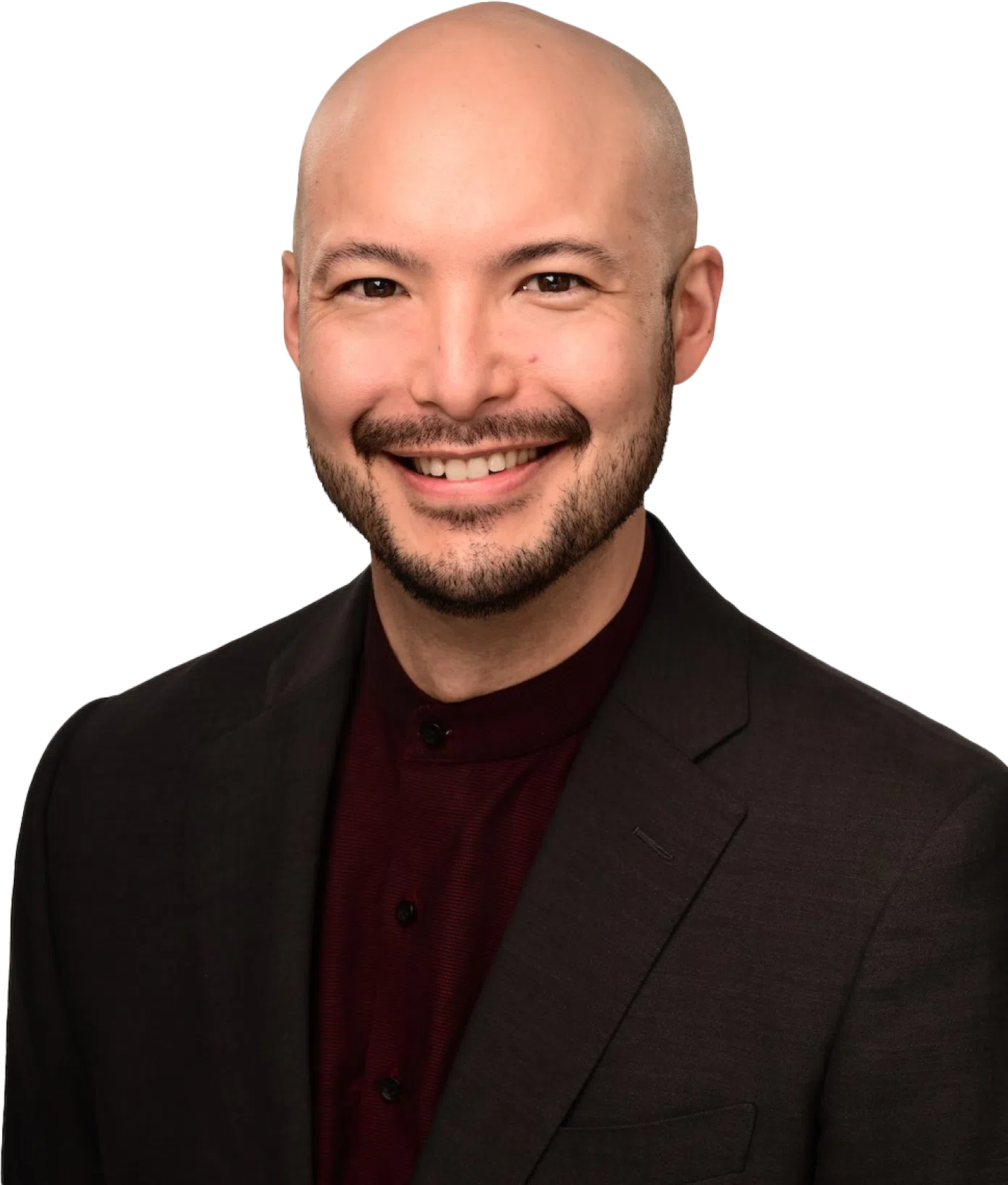
Hi, I’m Dr. Mitch Lee

I’m a FRANZCO trained ophthalmic surgeon. My work covers refractive surgery, cataract surgery, complex anterior segment and lens surgery, and conditions of the retina and vitreous. I completed medical training at the University of Sydney and Royal Prince Alfred Hospital, then completed ophthalmology training in the Prince of Wales Hospital network. I am trained in refractive surgery and have completed the Forefront Refractive Surgery Course run by the highly respected London Vision Clinic. I have further fellowship level training in complex anterior segment surgery and vitreoretinal surgery.

In addition to my work with Eagle Eye Surgeons, I am the Head of Department for Ophthalmology at Nepean Hospital and have led the expansion of publicly funded eye surgery in the Nepean Blue Mountains Local Health District.

I focus on clear explanations, careful planning, and follow-up that keeps you supported at every stage, always.

Owner
FRANZCO, MMed(Critical Care), MBBS(Hons), BSc